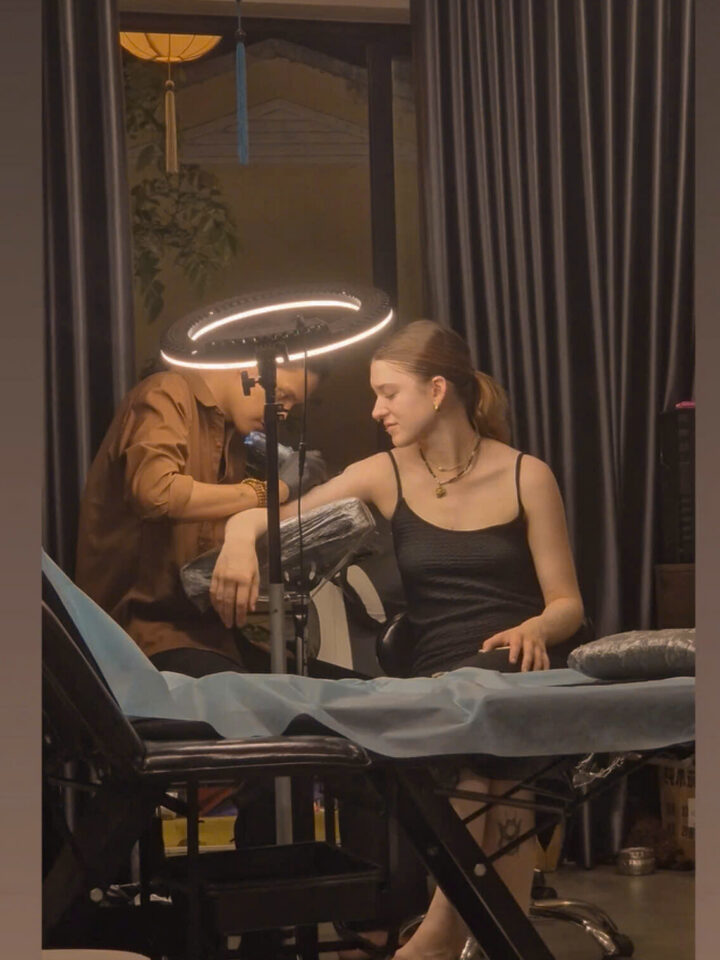
How to Choose the Best Tattoo Studio and Artist in Hoi An
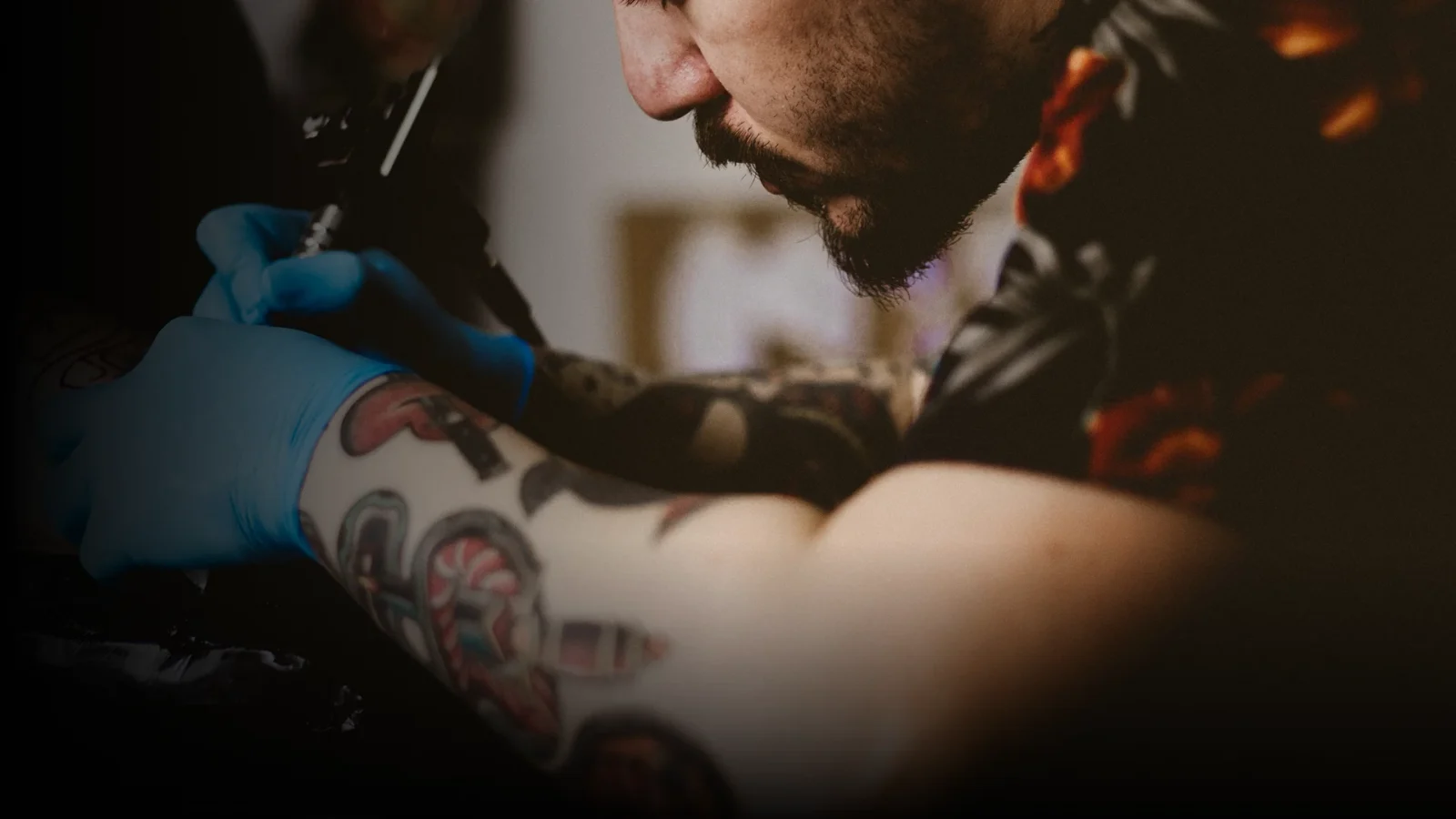
Choosing a tattoo in Hoi An is two decisions, not one. The first is the studio: is it clean, is it honest about money, will anyone answer you after you fly home. The second is the artist, and that one decides what you actually end up wearing — a good studio with five artists has one who is genuinely excellent at the thing you want and others who are merely competent at it. Both are checkable in about fifteen minutes, and almost nobody does it.
The short version
- Match the artist to your style, not to the best photo on the wall.
- Ask for healed photos, not fresh ones. Fresh work flatters everybody.
- Expect to be pushed back on — a good artist tells you when your idea will not work at the size you want.
- Get the price in writing before the machine starts. The Hoi An price chart is a fair reference for what normal looks like here.
- You are allowed to leave. Nothing is decided until you say yes to the stencil.
Part one: the studio — five things you can check from your phone
- Read the last twenty reviews, not the rating. A 4.9 made of one-line “great!” reviews tells you nothing. Look for people describing healed results, cleanliness and how problems were handled — and read how the studio answers the bad ones. A studio that argues in public is telling you something.
- Look for healed work in the portfolio, not only finished-on-the-day photos. If every image is minutes old, that is not a portfolio, it is a highlight reel.
- A written quote before anything starts. Per piece or per hour, agreed in advance, with nothing added afterwards. If the price seems too good for the size, you are being quoted for something faster than the piece needs.
- Aftercare support that outlasts your trip. Written instructions, a kit, and a way to send a photo of a healing tattoo to someone who will answer. You are on holiday — this matters more here, not less.
- How they answer questions before you pay. Slow, vague answers before the booking become slow, vague answers after it.
In the room: the hygiene you can actually see
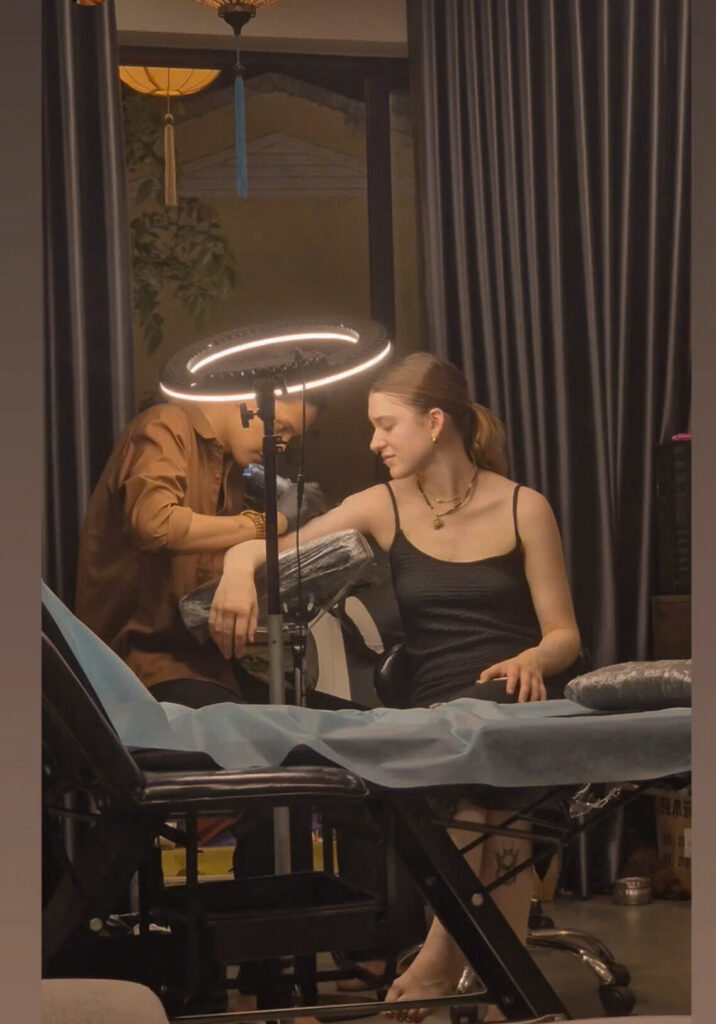
Hygiene is not something you take on trust, and it is not rude to watch. Six things, all of them visible without asking:
- Needles and cartridges come out of sealed packaging while you watch — never pre-loaded on a tray at the back.
- Gloves go on for setup and are changed after any break in the work, any phone, any door handle.
- Ink is decanted into clean caps for your piece instead of being dipped into a shared bottle.
- The station is wrapped and the floor is clean. Look at the room, not the Instagram grid.
- They refuse you when they should. Over a sunburn, over a cut, over a fresh drink — a studio that says no to a paying customer is the clearest sign of a professional one.
- You leave with an aftercare kit and written instructions, not just a photo of the piece.
Part two: the artist — seven things that decide what you wear
1. Nobody is good at everything
Tattoo styles are separate technical disciplines. Someone who does outstanding photorealistic portraits has spent years on soft gradients and value control; someone who does outstanding fine line has spent those years on single-needle consistency and knowing exactly how much a thin line will spread as it heals. The skills barely overlap.
So do not ask “who is the best artist here”. Ask “who here does the most fine line” — or realism, or blackwork, or colour — and then look only at that work.
2. Ask to see healed work, not fresh work
Every tattoo looks sharp on the day it is made. The real test is six months later, once the ink has settled and spread slightly. Ask directly: “Can I see this design healed?” An artist with a real body of work will have them, or will have clients who post them. In a healed photo you can see what actually matters — whether thin lines held, whether black packed evenly, whether the highlights in a realism piece are still bright.
3. Notice whether they push back
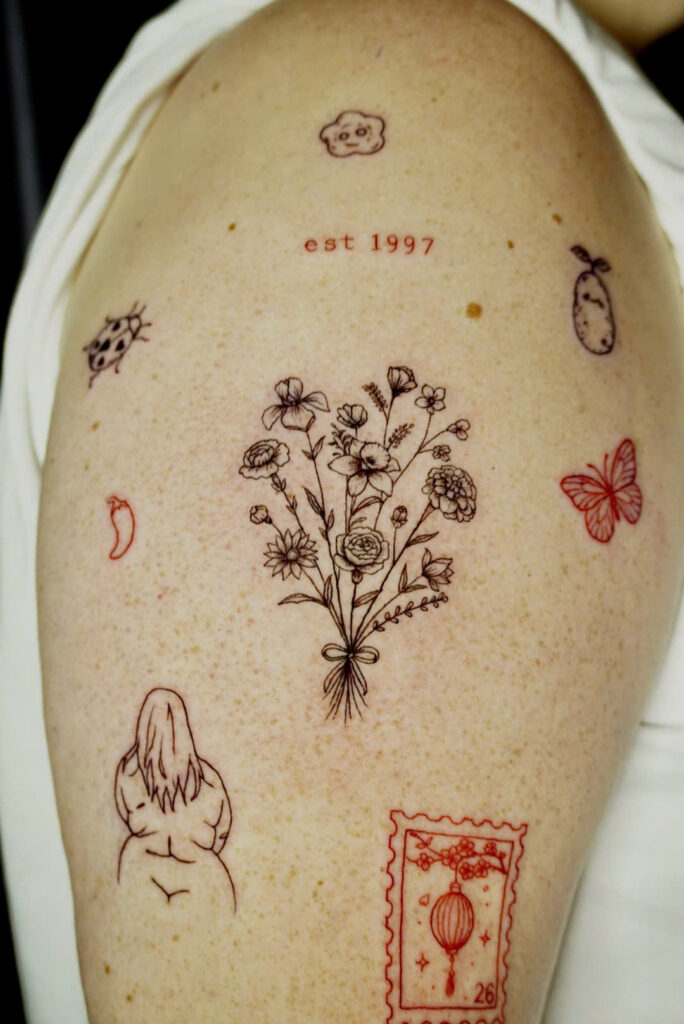
If you bring a highly detailed design and ask for it at four centimetres, the honest answer is that it will not work — the detail will close up within a year. An artist who tells you that, and offers an alternative, is doing you a favour. One who says “no problem” and takes the deposit is telling you what you want to hear.
4. Language matters more than you think
A tattoo consultation is a design conversation about small details: which way a leaf turns, how far the black carries, whether the eyes should be open. If you cannot be specific and be understood, you are trusting luck. This is the one place where paying a little more for a studio that speaks your language is worth it.
5. Judge the drawing, not the sales pitch
Ask to see your design before the appointment, or at least before the stencil goes on. A drawing that has been adjusted to your body is the difference between a tattoo and a sticker. If the only skill on display is persuasion, keep looking.
6. Price tells you something — but not what people assume
Cheap is not automatically a warning and expensive is not automatically quality. What the number tells you is what the studio expects to spend on your piece: hours, and preparation. A quote far below the local range means fewer hours allocated to a design that needs them. A quote far above it means you are paying for the neighbourhood, not the artist.
7. Give yourself the option to walk away
Go in, talk to the artist, look at healed work, and leave without booking. Nothing about that is rude, and it is the single best way to find out whether a place is right for you — because the pressure to decide on the spot disappears. A studio that is good will not mind at all.
Questions to ask before you pay a deposit
- “Which style do you personally do most of?” · the answer tells you whether to keep talking
- “Can I see photos of this healed?” · if there are none, ask why
- “What would you change about my idea?” · a real answer here is the whole consultation
- “What’s the total, and what’s not included?” · touch-ups, aftercare, deposits
- “How long will it take, and in how many sessions?” · see how the hours add up
- “Who do I contact if it looks wrong while I’m still in Vietnam?” · and if you have already flown home, the answer should still exist
Red flags: when to walk out
- Needles or cartridges already open on the tray when you arrive.
- “It’ll be fine” as the answer to a question about how the piece will age.
- A price that changes after the stencil goes on.
- No written aftercare, no kit, no way to reach anyone afterwards.
- Pressure to decide now, because the slot “will not last”.
Checking all of this in Hoi An
DanBam Tattoo is at 15 Nguyen Hoang, An Hoi — across from the Night Market — open daily 9:00 to 22:00. The artists speak English, needles are unsealed in front of you, the price is fixed in writing before the machine starts, and every client leaves with an aftercare kit and a number to send photos to.
Looking for a same-day piece? Read the walk-in guide first. If it is your first tattoo, start here instead — the questions are different.