First Tattoo in Hoi An: Pain, Placement and What It Costs
Most of the tattoos we do in Hoi An are somebody’s first. The questions are almost always the same three: does it hurt, where should it go, and how much will it cost. Nobody asks them in the studio as directly as they type them into Google the night before, so this is the whole answer in one place — including the parts that make people change their mind about placement.
The short answer
- It hurts, but less than you are expecting. Most first-timers say the first ten minutes are the worst and the rest is manageable. Ribs, sternum, feet, hands and the inside of the elbow are the genuinely sore ones.
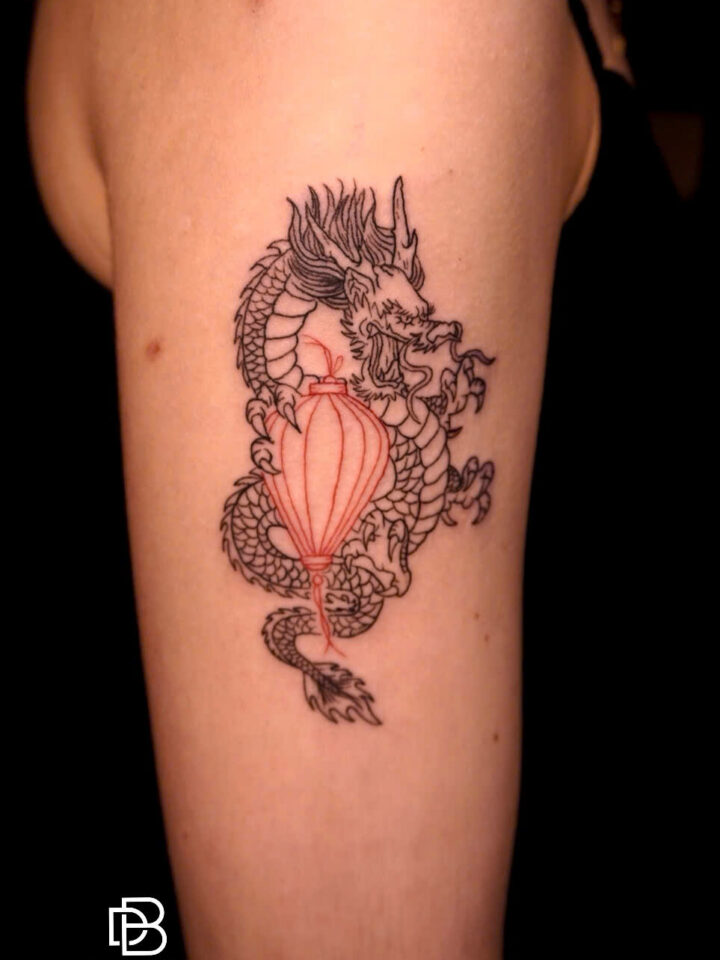
- Easiest places for a first tattoo: outer upper arm, forearm, shoulder blade, calf, thigh. Plenty of skin, no bone, easy to keep out of the sun.
- Time and cost: a small fine line piece is 30 – 90 minutes and 800,000 – 1,200,000₫ (~$32 – $48). Custom realism is 3,750,000₫ (~$150) an hour. Full 2026 chart.
- You can walk in. Small designs can usually be done the same day — see the walk-in guide. Custom work needs a day’s notice for the drawing.
Does a tattoo hurt? An honest map
Yes. A tattoo is a needle going into skin several times a second for as long as the piece takes, and it would be strange if that felt like nothing. What surprises people is which parts are bad and which are fine — it is not about how tough you are.
| Placement | Pain | Why |
|---|---|---|
| Outer upper arm, shoulder, forearm | Low | Muscle, no bone close to the surface, skin that rarely gets injured |
| Thigh, calf | Low | Large flat area, easy to sit still through |
| Upper back | Low to moderate | Thick skin, but the position gets tiring over a long session |
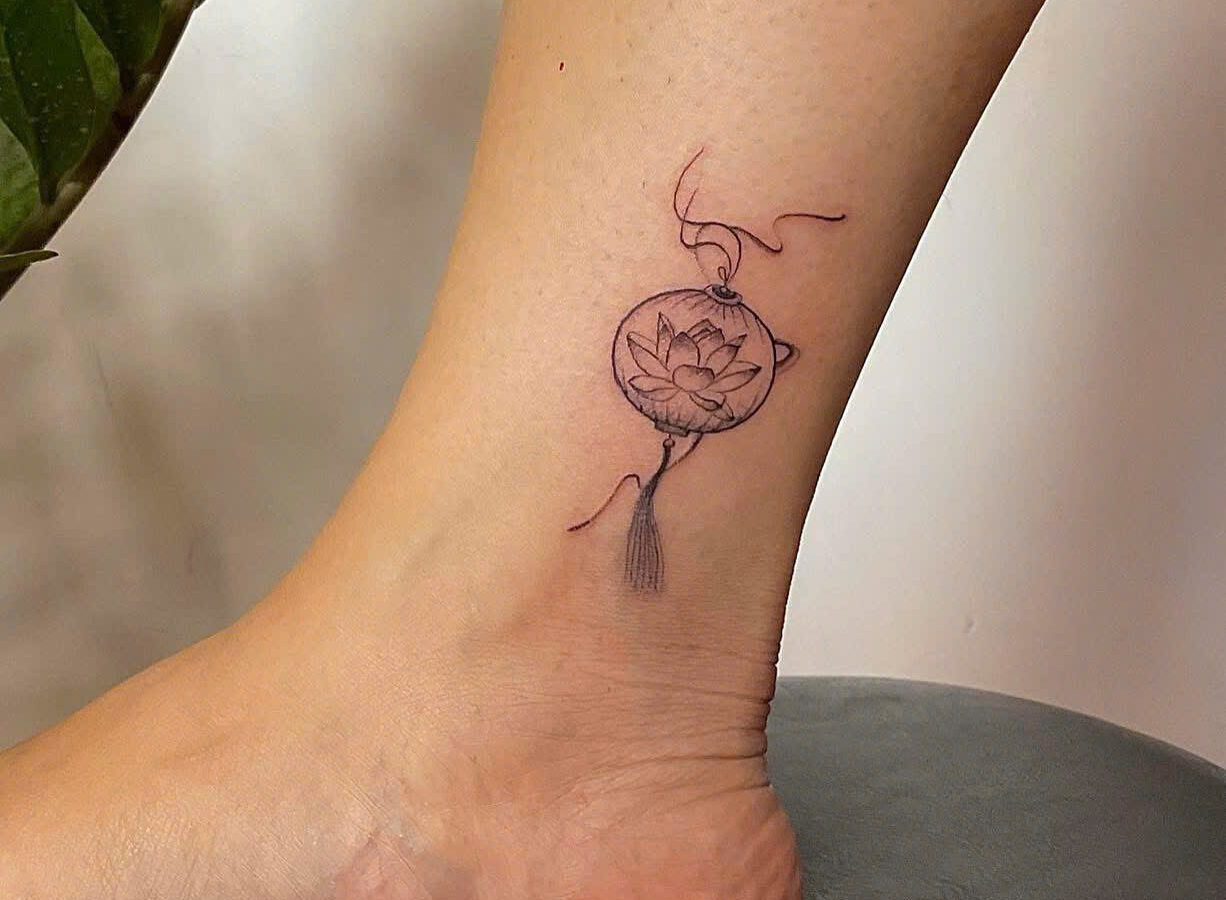
| Wrist, ankle | Moderate | Thin skin over bone, and the joint moves |
| Stomach, hips | Moderate to high | Soft tissue, and it flinches |
| Spine, collarbone | High | Bone directly under thin skin |
| Ribs, sternum | High | No muscle layer, and the ribcage moves when you breathe |
| Feet, hands, fingers | High | Dense nerve endings — and they fade fastest too |
Two things worth knowing beyond the map. The first is that the second hour is worse than the first — adrenaline covers the beginning and then wears off, so people who were fine at 11:00 are quiet at 12:30. That is normal, and it is why a first piece should not be a six-hour one. The second is that your state on the day matters more than the placement: a night of drinking, no breakfast and four hours in the sun before your appointment will make any spot feel twice as bad.
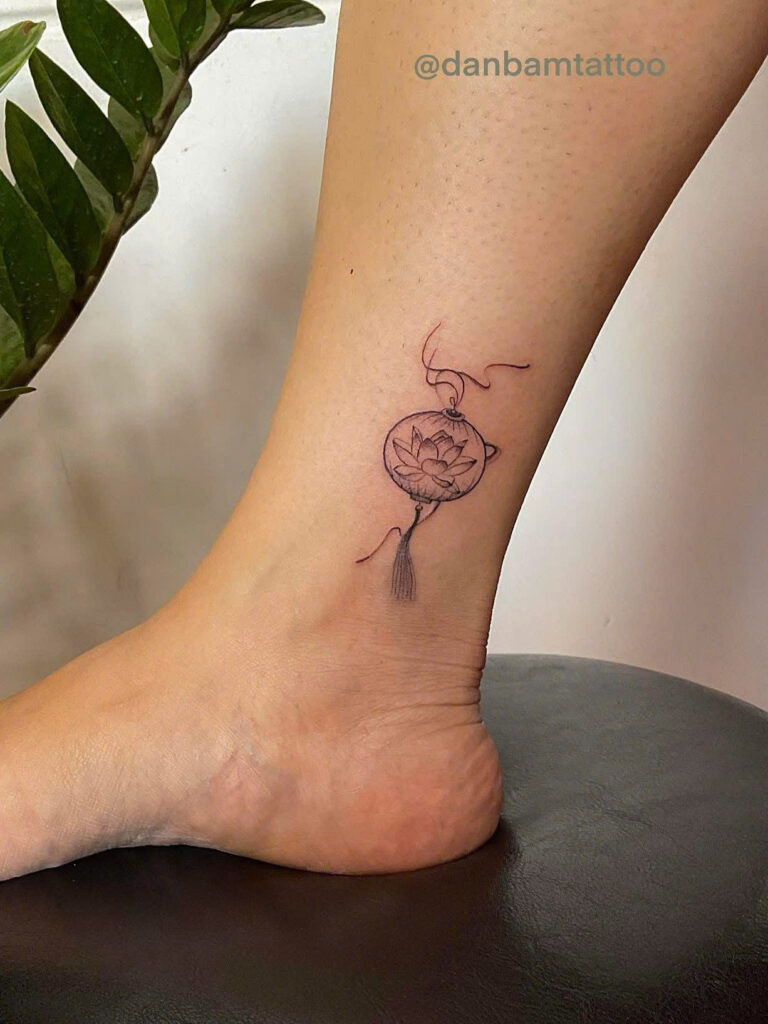
Where to put your first tattoo
The best answer for a first piece is usually a boring one: somewhere with muscle, no bone, and a sleeve over it.
- Healing conditions come first here. In Hoi An you will be sweating, swimming and in the sun for the rest of your trip. A piece on your upper back or thigh heals quietly; one on your hand or ankle does not, because it collects sun, dust and seawater.
- Clothing matters more than people expect. A waistband, a bra strap or a shoe edge sitting on a fresh tattoo every day for two weeks will visibly affect how it heals.
- Visible or hidden is your call, not ours. Some people want the first one where they can see it — forearm or wrist — and that is a good reason. Just know the forearm is one of the most sun-exposed places on the body, so it will need sunscreen for life.
- Job and family considerations are real. The safest first placement if you are unsure is one a rolled-up sleeve covers.
Size and style: small is not automatically the easy option
First tattoos are usually small, and that is fine — but small has its own rules. Fine detail in a small space blurs faster, because a hairline of grey has no room to lose definition before it stops reading as a line. Bold shapes and clear contrast hold up. If you want something small and fine line, the honest trade-off is that you should expect it to soften over the years, and to place it somewhere the sun does not reach. That trade-off, and what fades first, is covered in the aftercare and sun guide.
What is not harder about a small piece: it is quicker, cheaper, and much easier to sit through on a first go. It is also the only kind of tattoo that genuinely works as a walk-in.
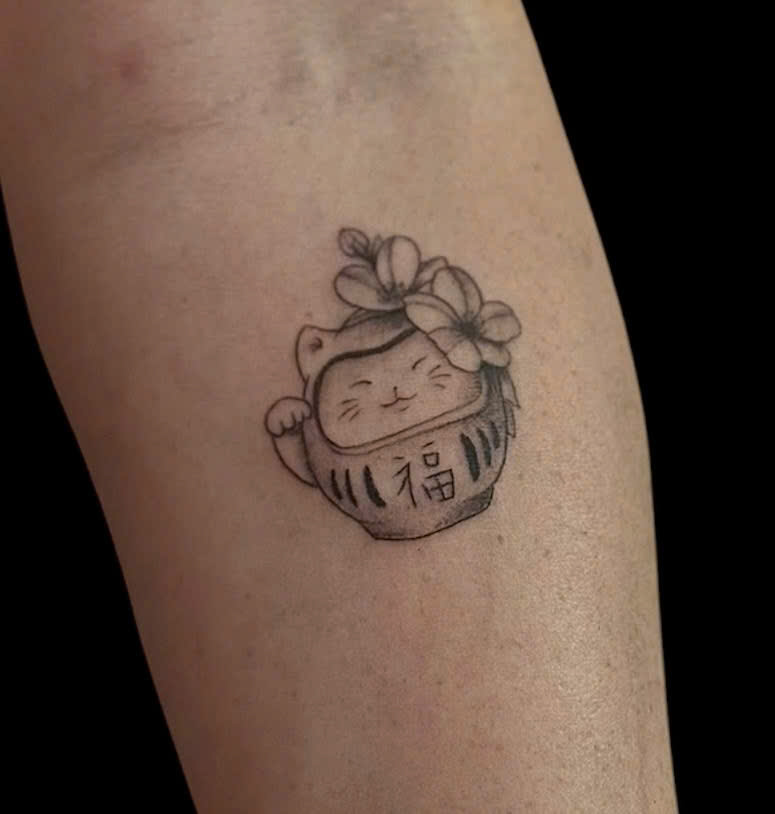
Preparing for the session
- Sleep and eat first. Not a heavy meal right before, but do not arrive on an empty stomach — low blood sugar is the most common reason people feel faint in the chair.
- No alcohol for 24 hours before. It thins the blood, which means more bleeding during the session and a longer, patchier heal.
- No aspirin or blood thinners unless your doctor says otherwise. Paracetamol is fine if you need something for a headache.
- Do not come straight from the beach. We cannot tattoo over sunburned skin, and we will not — the skin cannot hold the ink and you would be left with a patchy souvenir. If you are burnt, wait for it to settle.
- Wear loose clothing that can be moved out of the way — a short sleeve for a forearm, a loose skirt or shorts for a thigh.
- Eat before, not during. Bring water. Bring headphones if you like, though most people end up talking.
What actually happens on the day
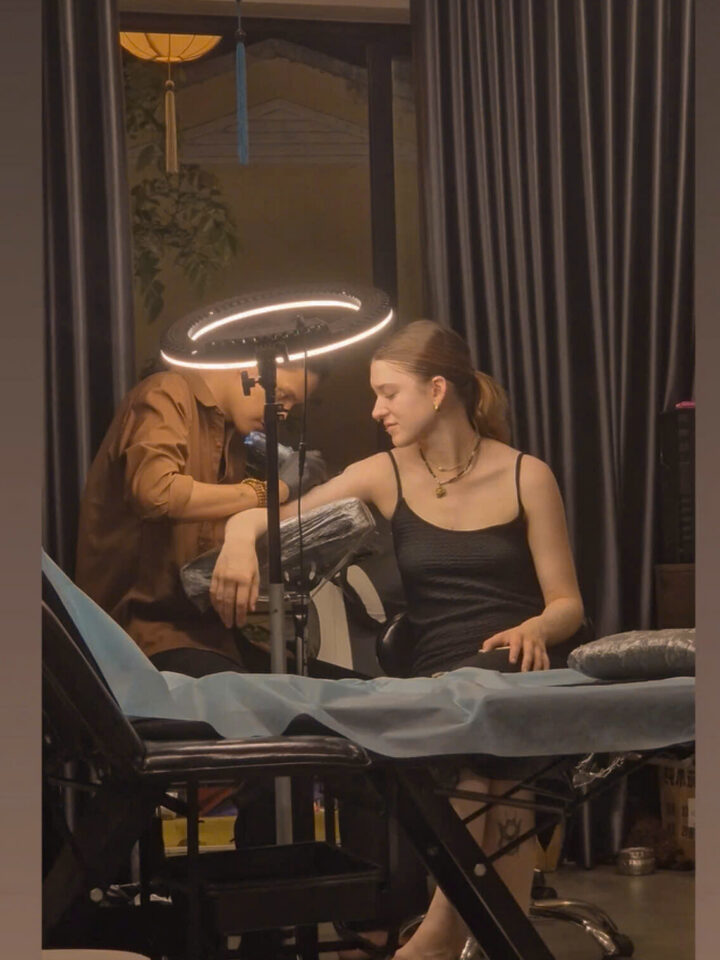
- The design and the stencil. We agree the drawing, size and position first, then print a stencil and fit it to your body. Nothing is permanent until you say yes to the placement — move it an inch, change the size, turn it round. Nobody minds.
- Setup in front of you. Needles and cartridges come out of sealed packaging while you watch, gloves go on, ink is decanted fresh. If a studio does not do this in front of you, leave.
- Linework first. This is the part people remember. It is quick — the outline of a small piece is minutes — and it is where the pain is sharpest.
- Shading and packing. Longer, duller, more like a scrape than a scratch. This is the hour where the conversation stops.
- Cleanup, film, aftercare kit. You leave covered in a breathable second-skin film with written instructions and a kit, and you can come back any day to have it checked.
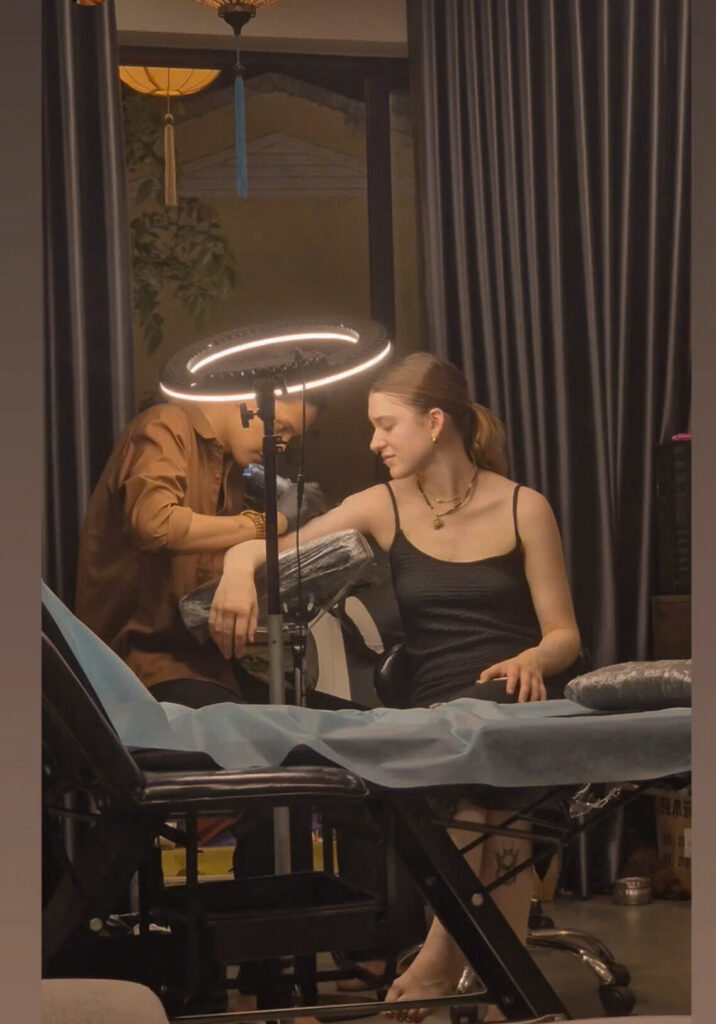
How to tell a studio is safe
This is the question people ask indirectly when they ask whether it hurts. In Vietnam it is a fair thing to check rather than assume. Six things, all visible on the day:
- Sealed needles and cartridges opened in front of you, never pre-loaded at a back table.
- Fresh gloves for setup and again after any break in work.
- Ink decanted into clean caps for your piece — not dipped into a shared bottle.
- A wrapped, disinfected work station and a clean floor. Look at the room, not the Instagram grid.
- Writing before work. A price agreed in writing, and aftercare instructions you can take away.
- A studio that will not tattoo you over a sunburn, over a cut, or when you have been drinking. Refusing is the clearest sign of a professional.
More detail on the checks people skip: how to choose both the studio and the artist — twelve checks, and the ones most people never think to make.
How long it takes, and what it costs
| Piece | Time | Price |
|---|---|---|
| Small fine line piece (wrist, ankle, behind the ear) | 30 – 90 minutes | 800,000 – 1,200,000₫ (~$32 – $48) |
| Small to medium with shading | 1.5 – 3 hours | 1,500,000 – 3,000,000₫ (~$60 – $120) |
| Fine line composition down a forearm | 2 – 3 hours | 2,000,000 – 3,500,000₫ (~$80 – $140) |
| Custom realism, any size | By the hour | 3,750,000₫ (~$150) per hour |
The full price chart explains what changes the number. If the piece you are planning is a large one, how the hours add up over several sessions is here.
After it is done
The short version: keep it clean, keep it dry, keep it out of the sea and the sun for the first few weeks, and do not pick the flakes. The full routine, written for this climate rather than for a European autumn, is in Sun, Sea & Ink — including when you can swim again, and when to actually worry.
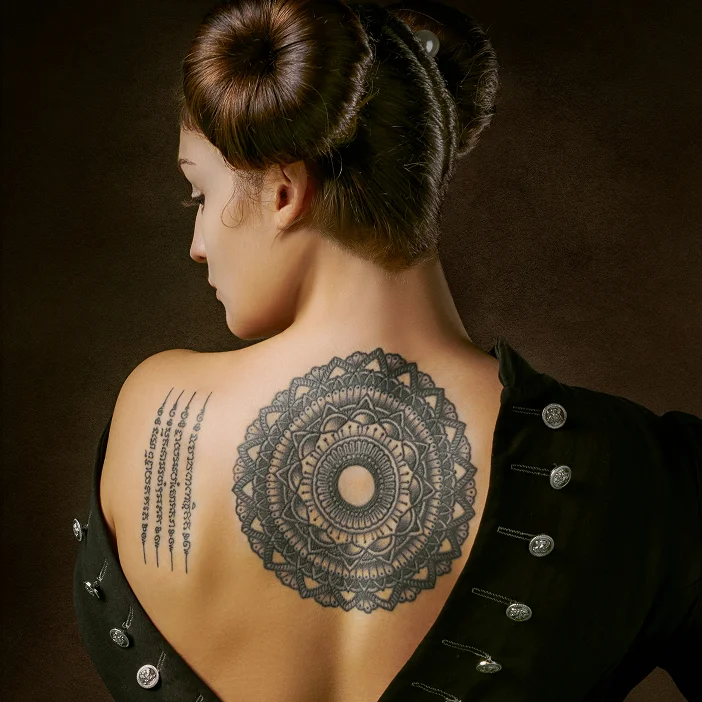
Booking your first one in Hoi An
DanBam Tattoo is at 15 Nguyen Hoang, An Hoi — across from the Night Market, two minutes from the Japanese Covered Bridge — open daily 9:00 to 22:00. The artists speak English, needles are unsealed in front of you, and the price is fixed in writing before the machine starts.
Send a reference and tell us it is your first — we will tell you honestly whether the design suits the placement, and what it will look like in ten years. Small pieces are the ones you can usually walk in for.